# Best 3D Puff Embroidery Digitizing Service in USA: A Complete Guide
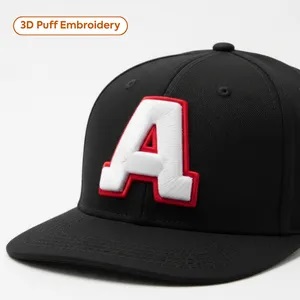
The demand for custom embroidered apparel continues to grow across the USA. From promotional caps and sportswear to uniforms and fashion garments, embroidery provides a durable and professional way to add logos, lettering, and artwork to fabric.
Among the available embroidery techniques, 3D puff embroidery is widely used for creating raised designs with a noticeable dimensional effect. Choosing the [***best 3D puff embroidery digitizing service in USA***](https://zdigitizing.com/3d-puff-embroidery-digitizing/) is important because the quality of the digitized file directly affects the finished embroidery.
A professionally prepared file helps embroidery machines produce cleaner stitches, better shapes, consistent coverage, and reliable results across different garments.
## What Is 3D Puff Embroidery Digitizing?
3D puff embroidery digitizing is the process of converting artwork into a specialized embroidery file designed to create a raised effect. Unlike conventional flat embroidery, this technique uses embroidery foam beneath selected areas of the design.
The stitches cover the foam, and the excess material is removed after stitching. Creating an effective puff embroidery file requires more than converting an image into stitches.
A digitizer must consider stitch direction, density, underlay, pull compensation, sequencing, spacing, and the thickness of the foam. These technical factors influence how accurately the final embroidery represents the original artwork.
A file that has not been properly prepared may produce uneven lettering, gaps, exposed foam, excessive thread breaks, or distorted shapes. Professional digitizing helps reduce these problems and makes the design more suitable for actual embroidery production.
## Why Professional 3D Puff Digitizing Matters
The quality of an embroidery file can have a direct impact on production time and the appearance of the finished product. Professional digitizers understand how embroidery behaves on different materials and how raised stitching performs on curved surfaces such as caps.
Experienced digitizing also involves evaluating whether an artwork is appropriate for 3D puff embroidery. Bold lettering, thick borders, simple shapes, and larger design elements generally work well with this technique.
Very small details, thin lines, and complicated artwork may require modifications before they can produce a satisfactory raised effect. A professional service can review the artwork and recommend adjustments when necessary.
This practical approach helps ensure that the final file is created with embroidery production in mind rather than simply reproducing the appearance of a digital image.
## Benefits of High Quality 3D Puff Embroidery Digitizing
Professional digitizing can improve both the visual quality and production performance of embroidered products.
A properly digitized design can create cleaner edges, more consistent raised areas, improved lettering, and better stitch coverage. It can also reduce common production issues such as thread breaks, registration problems, and unnecessary machine stops.
For businesses producing embroidered apparel, these improvements can contribute to more consistent orders and less material waste. A reliable embroidery file can also make it easier to reproduce the same design across multiple garments and production runs.
## Where Is 3D Puff Embroidery Commonly Used?
3D puff embroidery is particularly suitable for garments and accessories where bold, raised designs are desired. Caps and hats are among the most common applications because the technique works well with larger lettering and simple logos.
It is also frequently used on jackets, sweatshirts, sportswear, workwear, promotional clothing, and fashion accessories. The final result depends on the artwork, garment material, embroidery machine, foam selection, and quality of the digitized file.
For detailed artwork, a professional digitizer may recommend combining flat embroidery with puff embroidery. This approach can help preserve smaller design elements while giving selected portions a raised appearance.
## Final Thoughts
The best 3D puff embroidery digitizing service in USA should combine technical knowledge, accurate stitch planning, consistent quality, reliable communication, and practical embroidery experience.
A high quality digitized file is essential for producing clean raised lettering, defined shapes, and durable embroidery.
Before choosing a provider, review its experience, file formats, revision policy, turnaround time, and previous work. Most importantly, make sure the digitizing process is designed around the actual embroidery machine, garment, and production requirements.
With properly prepared artwork and professional digitizing, 3D puff embroidery can provide a distinctive dimensional finish for caps, apparel, promotional products, and other custom embroidered items.
## Frequently Asked Questions
### What Is the Difference Between 3D Puff and Flat Embroidery?
3D puff embroidery uses foam beneath selected stitches to create a raised effect. Flat embroidery is stitched directly onto the fabric without the additional foam layer. Puff embroidery is generally preferred when a thicker, dimensional appearance is required.
### Is Every Logo Suitable for 3D Puff Embroidery?
No. Designs with bold lettering, thick outlines, and simple shapes are usually better suited to puff embroidery. Very thin lines and extremely small details may not produce clear results and may need to be simplified.
### Which File Format Is Best for Embroidery?
There is no single format that is best for every machine. DST, PES, EXP, and JEF are commonly used formats, but the appropriate choice depends on the embroidery machine being used. Always confirm the required format before placing an order.
### How Long Does 3D Puff Digitizing Take?
Turnaround depends on design complexity, stitch count, artwork quality, and the service provider. Simple designs may be completed quickly, while detailed artwork can require additional time for manual digitizing and quality checking.